
 Login
Login nabanita
“I Have Good Marks… Then Why Am I Still Not Getting Opportunities?”
If you’ve ever asked yourself this question, you’re not alone.
Every year, lakhs of students graduate with good marks. They spend years studying, clear exams, and earn their degrees. But when it’s time to apply for internships or jobs, many hear the same response:
“We’re looking for someone with the right skills.”
It can feel confusing.
You worked hard. You attended classes, submitted assignments, and passed your exams. So why isn’t that enough?
The answer is simple.
A degree tells companies what you studied.
Skills show companies what you can actually do.
Think about it this way.
If two students apply for the same job and both have similar qualifications, who do you think gets selected?
The one who can analyze data, use AI to work smarter, communicate confidently, solve problems, and adapt to new technologies.
That’s exactly what companies are looking for in 2026.
The good news?
You don’t need to be a genius. You don’t need to study 15 hours a day or learn everything overnight.
All you need is the willingness to keep learning, one skill at a time.
Let’s explore the 10 skills that can make you stand out from thousands of other students.
1. Learning How to Use AI (Instead of Being Afraid of It)
Let’s be honest.
Almost every student has heard someone say,
“AI is going to take away jobs.”
But here’s the truth.
AI isn’t taking away opportunities from people who know how to use it.
It’s creating opportunities for them.
Today, students use AI to:
- Understand difficult topics
- Summarize notes
- Practice interview questions
- Improve English
- Create presentations
- Write emails
- Analyze data
Instead of spending three hours doing one task, AI can help you finish it in thirty minutes.
That doesn’t mean AI does your work.
It means AI helps you work smarter.
Learning how to use AI responsibly is becoming one of the biggest career advantages in 2026.
2. Data Analysis – Because Every Company Runs on Data
Have you ever wondered how companies decide:
- Which products to sell?
- Which advertisements to run?
- Why customers stop buying?
- Where they should invest money?
The answer is data.
Every click, every purchase, every customer review creates information.
But raw data is just numbers.
Companies need people who can turn those numbers into useful decisions.
That’s why data analysis is one of the most valuable skills today.
The best part?
You don’t have to be a coding expert.
Learning Excel, Power BI, and basic data analysis can open doors to opportunities in almost every industry.
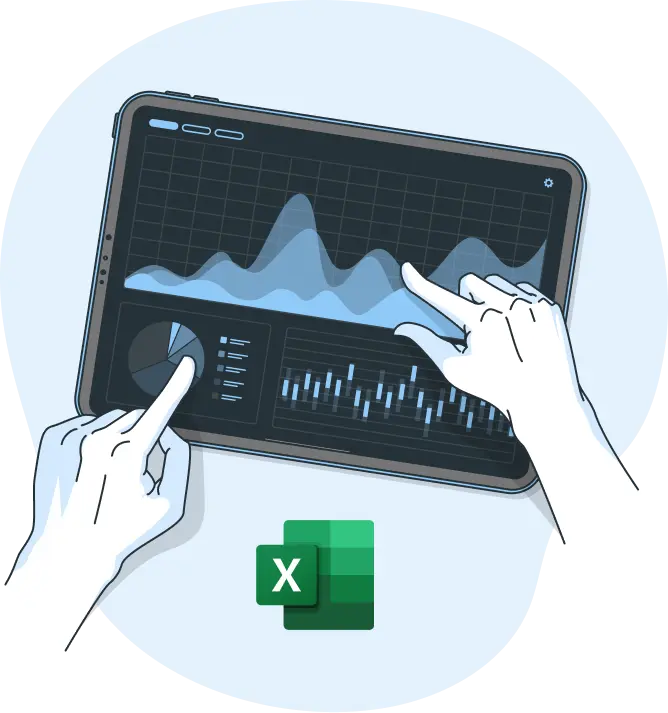
3. Advanced Excel – Still One of the Most In-Demand Skills
Many students think,
“Excel is old. Nobody uses it anymore.”
Reality check.
Walk into almost any office.
You’ll probably find Excel open on someone’s screen.
From HR to Finance, Marketing to Sales, Operations to Business Analysis—Excel is everywhere.
Knowing formulas, Pivot Tables, charts, dashboards, and data cleaning doesn’t just make your work easier.
It makes you more valuable.
Even in the age of AI, Excel remains one of the most requested skills in job descriptions.
4. Problem-Solving – The Skill That Never Goes Out of Demand
Imagine your manager gives you a task.
Halfway through, something goes wrong.
What do you do?
Do you panic?
Or do you think calmly and find another solution?
Companies love employees who don’t just point out problems—they help solve them.
Problem-solving isn’t about always being right.
It’s about staying curious, thinking logically, and trying different approaches until you find a solution.
This skill will help you not just in your career, but in everyday life.
5. Communication – Because Great Ideas Mean Nothing If You Can’t Explain Them
Have you ever known someone who was brilliant but struggled during interviews?
It happens more often than you think.
Many students have good knowledge but hesitate when speaking.
They worry about their English.
They fear making mistakes.
Here’s something important to remember.
Good communication doesn’t mean speaking perfect English.
It means expressing your ideas clearly and confidently.
Whether it’s answering interview questions, presenting a project, or writing an email, communication can make a huge difference in your career.
Start practicing today—even small improvements matter.
6. Being Ready to Learn New Things
Technology changes quickly.
The tools you’re learning today may look different a year from now.
That’s completely normal.
Companies don’t expect you to know everything.
But they do expect you to keep learning.
The students who stay curious, explore new tools, and continue improving will always have an advantage over those who stop learning after college.
7. Working Well with Others
No matter how talented you are, you’ll rarely work alone.
Every workplace involves teamwork.
You’ll collaborate with managers, colleagues, clients, and different departments.
Being respectful, listening to others, sharing ideas, and helping your team succeed are qualities every employer values.
Success isn’t only about individual talent.
It’s also about how well you work with people.
8. Thinking Before Following
We live in a world where information is everywhere.
But not everything you read online is correct.
Companies need people who ask questions instead of blindly accepting answers.
Before making decisions, they think:
“Does this make sense?”
“Is there another way?”
“What could go wrong?”
This habit of thinking critically helps you become a better learner and a better professional.
9. Understanding the Customer
No matter which department you work in, your work eventually affects someone.
That someone is the customer.
When companies hire people who genuinely care about solving customer problems, everyone benefits.
Even if you never speak directly with customers, understanding their needs makes your work more meaningful.
10. Never Stop Learning
If there’s one skill that will always stay valuable, it’s this one.
The willingness to keep learning.
Many successful professionals spend just 30 to 60 minutes every day learning something new.
They read articles.
Watch tutorials.
Practice new tools.
Attend workshops.
These small daily efforts may not seem like much at first.
But over months and years, they completely transform careers.
A Message for Every Student Reading This
If you’re worried because you don’t have experience, don’t panic.
Every professional was once a beginner.
Don’t compare your Chapter 1 with someone else’s Chapter 20.
Instead of asking,
“Am I good enough?”
Ask yourself,
“What new skill can I learn this month?”
That’s the question that changes careers.
Final Thoughts
The world is changing faster than ever.
The students who keep learning, stay curious, and build practical skills will always have more opportunities.
Your degree is important.
But your skills are what will make employers remember you.
So don’t wait until your final year.
Don’t wait until placements begin.
Start today.
Learn one new skill.
Practice it consistently.
And remember—
The future doesn’t belong to the students who know everything. It belongs to the students who never stop learning.